
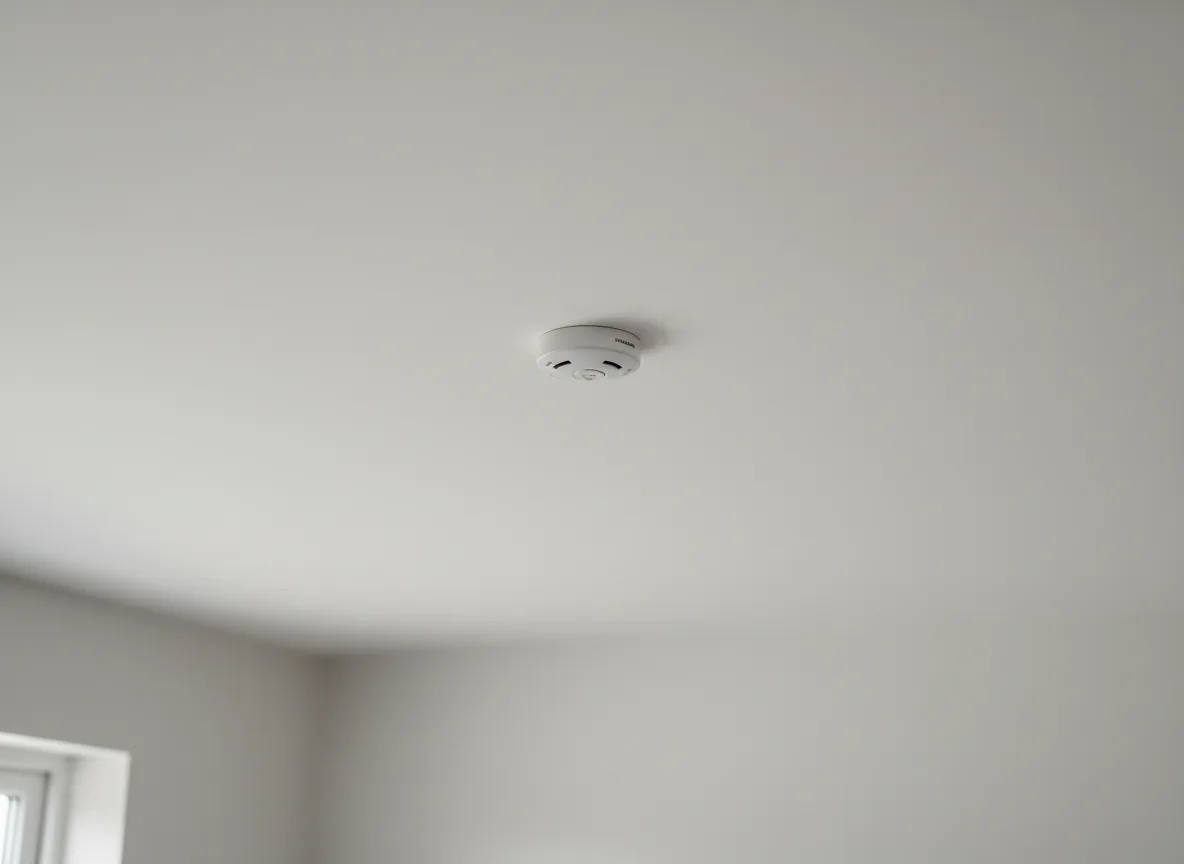
Start with the dwelling's status
Queensland's smoke-alarm obligations have different phases. Existing private homes, townhouses and units must have interconnected photoelectric alarms by 1 January 2027. Sale, rental and new-building circumstances have their own requirements and timing. Tell us which situation applies rather than treating the 2027 date as an extension for every property.
For an owner-occupied existing home, the approaching deadline is a reason to review what is installed. For a property being sold, Queensland Fire Department guidance explains that the sale-contract date triggers obligations before transfer. For a rental, landlords are responsible for installing compliant alarms. Building work needs to be considered with the applicable approval and building requirements.
If several circumstances overlap, describe them together. A property might be owner-occupied now but preparing for rental, or being sold while work is underway. The relevant question is which obligation applies to the actual change, not which description gives the latest date. You do not need to resolve the legal timing yourself before making an enquiry.
Understand the alarm requirements
QFD guidance identifies photoelectric alarms that are interconnected, meet the applicable alarm standard and do not contain an ionisation sensor. Interconnection means the alarms operate together when one detects smoke. An existing alarm is not necessarily suitable simply because it still sounds during a button test.
If you already know the model, installation age or type, include it. If labels are not safely accessible, leave those details for assessment. You should not dismantle an alarm or disturb wiring to identify it. The proposed work should explain whether existing units can remain, which need replacement and how interconnection is addressed.
Avoid comparing proposals on alarm count alone. Two proposals may assume different existing equipment or cover different rooms. Ask which units are being supplied, which are retained and what assessment supports that choice. A higher or lower number does not by itself establish compliance for the dwelling.
Map bedrooms, connecting routes and storeys
QFD's private-dwelling guidance calls for alarms in bedrooms, on each storey and in the hallways connecting bedrooms to the rest of the dwelling. It also explains placement when there is no hallway or no bedroom on a storey. The actual floor plan matters, so a general guide should not prescribe your exact installation layout remotely.
For an enquiry, say how many bedrooms and storeys the home has and whether you already have a floor plan. A simple description is enough to begin. You do not need to measure ceiling positions or decide the final location of each alarm.
Consider an existing two-bedroom unit with an owner-occupier preparing for 2027. Useful information is the bedroom layout, connecting hallway, existing alarm types if known and access arrangements. That example does not establish a required count from bedroom numbers alone. The assessment needs to consider the whole layout and the existing installation.
For a home with a storey containing no bedrooms, mention that layout clearly. QFD addresses the likely path of travel to an exit for that situation. Include any unusual room arrangement in the enquiry rather than applying a generic bedroom-only checklist.
Existing hardwired and battery alarms need different questions
QFD guidance allows appropriate non-removable ten-year battery-powered alarms as well as hardwired alarms, with construction and replacement circumstances affecting what is applicable. It explains that new dwellings require hardwired interconnected alarms and that existing homes may contain a combination.
Do not decide that battery alarms are permitted only where running new cable would be inconvenient, or that all battery models are interchangeable. Ask which option fits the dwelling and existing equipment. If a hardwired alarm needs installing or replacing, that involves licensed electrical work. QFD also explains that eligible battery alarms can be installed without that electrical-work requirement.
For comparing a proposal, separate the product choice from the installation work. Ask which exact alarm models are included, what replaces existing units and how the proposed interconnection will be checked. Do not assume a professional label on an offer proves the whole property will be compliant.
Separate installation records from maintenance proof
For hardwired electrical installation work, the contractor provides the applicable testing and compliance record. Current WorkSafe guidance identifies the work tested, date and contractor details. Keep that record with the alarm model information and agreed scope.
An agent's request for a maintenance certificate is a different matter. QFD says that proof requested by some real estate agents is not itself a legal requirement, although it can be part of their process. Ask what record is being requested and why, rather than treating every alarm visit as the same certification service.
QFD also distinguishes installation from ongoing domestic testing and cleaning. Landlords install compliant alarms, while tenancy maintenance responsibilities have their own timing. Cleaning or testing a domestic alarm does not itself require a trade licence. Follow the applicable instructions without removing batteries or disabling the interconnected system to silence nuisance alarms.
Make a useful installation enquiry
Mention the dwelling's use, any sale or rental deadline, rooms and storeys, and what you already know about the alarms. Existing records can help but are optional. The enquiry planner can organise layout details, while the quote checklist helps compare product supply, replacement, installation and records.
Read QFD's current guidance for the applicable dwelling situation. Call 07 2000 4805 or send your enquiry. A short description is enough to start.
Questions and answers
When must an existing Queensland home have interconnected photoelectric smoke alarms?
Existing private homes, townhouses and units must meet the requirements by 1 January 2027. Rental, sale and new-building circumstances have their own timing, so identify the dwelling's actual status.
Where are smoke alarms required in a Queensland home?
QFD describes bedrooms, storeys and connecting hallways, with alternatives where there is no hallway or no bedroom on a storey. The actual layout needs assessment rather than a generic remote alarm count.
Can an existing home use battery-powered photoelectric smoke alarms?
QFD describes eligible non-removable ten-year battery alarms and hardwired options, with construction and replacement circumstances affecting what applies. Existing hardwired equipment should not be treated as interchangeable with any battery product.
Who can install a mains-powered smoke alarm?
Hardwired smoke-alarm installation involves licensed electrical work. Eligible battery-alarm installation and domestic testing or cleaning have different requirements.
Must interconnected smoke alarms all be linked by new cable?
No. Required alarms can be interconnected wirelessly or by cable so they sound together. Electrical work for a hardwired installation requires a licensed electrician.