
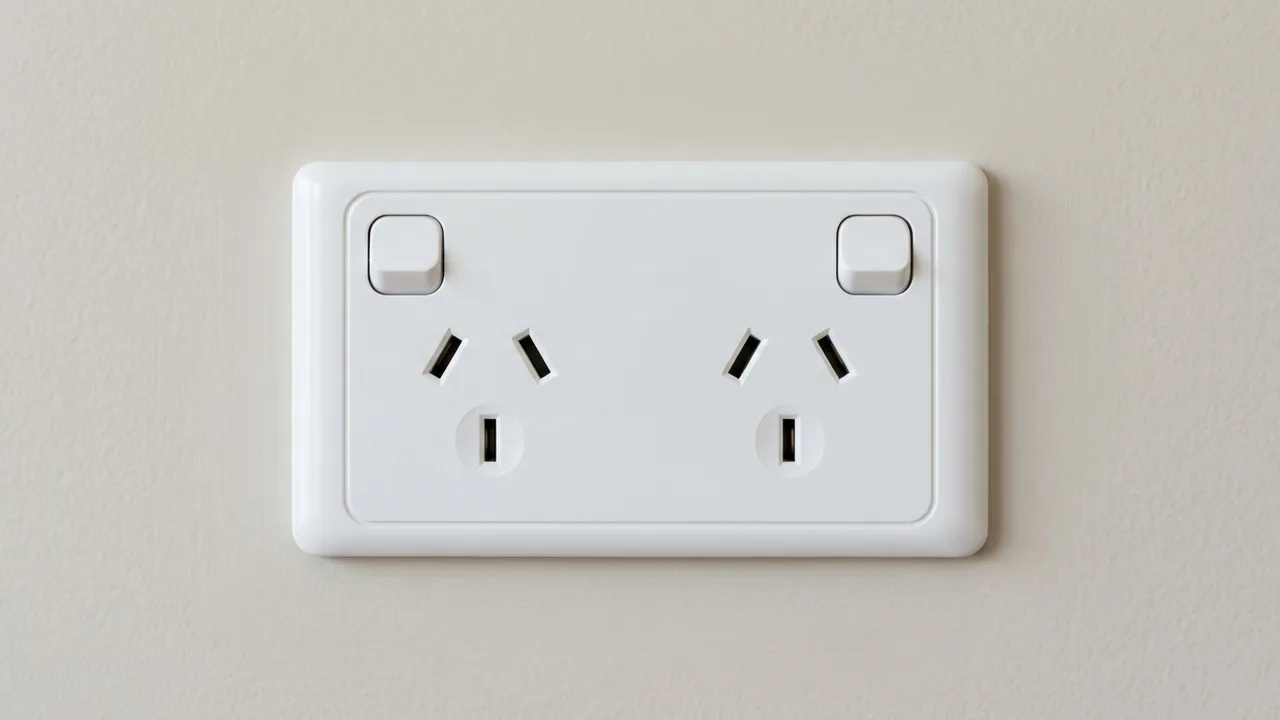
A replacement and an addition are different requests
For an existing-position replacement, describe why you want the change. Is the outlet damaged, does the fitting need assessment or do you want a different product? Do not assume the existing wiring can be reused or that changing the faceplate resolves an electrical fault. A licensed electrician assesses the installation before deciding on the work.
For a new position, describe the intended use and location. Say whether it is beside a desk, in a kitchen work area or somewhere else. You do not need to identify a suitable cable route. Keep the desired outcome clear while the installation requirements remain questions for assessment.
If an outlet has stopped working, report that separately from a planned addition. A new fitting request should not hide an unexplained fault. The fault-finding page explains why the symptom needs investigation before a remedy is chosen.
Position and access affect the scope to be assessed
Mention any wall or access information you already know, such as a tiled surface or a managed building's access arrangements. These details help frame the proposal. They do not let a remote guide determine which route is possible, how long installation will take or what making good will be needed.
Ask whether the proposed price assumes a particular cable route, mounting arrangement or access to another area. If an assumption cannot be confirmed until inspection, ask how that changes the proposal and how extra work would be authorised. Do not enter a roof space, remove a fitting or disturb building materials to gather information.
If roof-space access is needed for the work, the electrician's safety and isolation requirements must be considered. Current WorkSafe guidance covers that worker-access situation and communication with customers about power being turned off. Ask what access and interruption the particular job requires. No standard number of hours or universal installation method follows from the description new power point.
Match the product to the actual use
An outlet with integrated USB charging is a product choice, not a promise that any model fits the existing position or charges every device in the same way. Identify the connector and model you are considering. If you want the electrician to supply it, describe what you want to connect rather than selecting a technical specification yourself.
One manufacturer example, Clipsal's 3025USB2-VW, has USB type A and a stated depth of 55 mm. That is a detail of that model. It illustrates why product dimensions and connector type belong in the assessment, rather than assuming every USB outlet is a straightforward swap. You do not need that particular product to make an enquiry.
For an outdoor position, identify where it is and how you intend to use it. Manufacturer weather-protected socket ranges have different model-specific ratings. Ask which product and installation are suitable for the actual exposure. A cover alone should not be described as a guarantee against water ingress or electrical hazards.
Socket count does not answer the circuit question
Adding connection positions and changing circuit capacity are different issues. Tell the electrician which appliances you intend to use and whether several will be used together. The assessment determines whether the planned work can use an existing circuit or requires something different. Do not infer a dedicated-circuit rule from an appliance example in a general guide.
For example, if you want more outlets behind a desk, list the devices you intend to connect and the desired positions. That does not establish the circuit's available capacity. Similarly, replacing a double outlet with a product having more sockets does not by itself show that additional electrical load can be supported.
If a proposal includes circuit or board changes, ask what assessment finding or intended use supports that scope. The switchboard guide helps compare circuit-specific work with a broader board proposal. Keep optional additions separate from the work required for the outcome you have actually requested.
New work can change protection requirements
Queensland's Electrical Safety Office discusses safety-switch requirements when new power-point installations occur. The requirement needs to be considered for the actual installation and proposed work. Do not broaden that into a statement that every modification to any circuit has exactly the same legal consequence.
Ask which circuit the work affects, what protection it requires and whether that is included in the proposal. The safety-switch page explains protection and coverage. It is more useful to understand the scope than to request a particular device from an incomplete description.
Compare quote assumptions and completion records
A proposal can be based on supplied information, an assessment or stated assumptions. Ask what is needed to confirm it. It is not a universal rule that every fixed quote needs an on-site visit, nor that photographs alone settle every installation question. Keep any exclusions or conditions visible when comparing offers.
Separate product supply, installation, any circuit/protection work and making good where applicable. For equipment supplied by you, ask whether the model is suitable and which parts of the installation the proposal includes. For supplied equipment, ask what model or function is included. Use the quote checklist to compare those details consistently.
For electrical installation work, current WorkSafe guidance requires the applicable testing and compliance record. Its scope concerns the work affected, rather than an assurance about every part of the home. Keep it with the agreed scope and product documents.
If you rent, obtain written permission for a discretionary new fixed fitting before organising the alteration. Applicable body corporate approval may also be relevant. Our enquiry planner can record that status, but approval or a technical specification is not a condition of asking an initial question. Call 07 2000 4805 or send your enquiry. A short description is enough to start.
Questions and answers
Can a new power point change safety-switch requirements?
Yes, new installation work can affect circuit-protection requirements. ESO discusses new power-point installations specifically. Ask the electrician what protection applies to the actual work and whether it is included, rather than assuming every modification has the same scope.
How can I compare an electrical quote or ask about a small group of jobs?
Distinguish an existing-position replacement from an addition. Compare supply, installation, any related circuit/protection work and making good where applicable. Ask what information or inspection is needed to confirm assumptions.
What should I check when choosing an electrician?
Check the current Queensland electrical contractor licence through the official Electrical Licence Search and discuss the actual written scope. A licence check does not tell you that a proposed product or installation design is suitable for your home.
What does a safety switch do?
A safety switch disconnects the protected circuit when it detects current leaking to earth, reducing electric-shock risk. It does not make damaged equipment or unsafe work safe.
How do I decide whether my old switchboard needs an upgrade and room for future work?
Ask for an assessment of the existing installation and the changes you actually plan. Appearance or spare positions alone cannot establish protection, wiring condition or usable capacity. A useful recommendation distinguishes what can stay from what must change and explains why.