
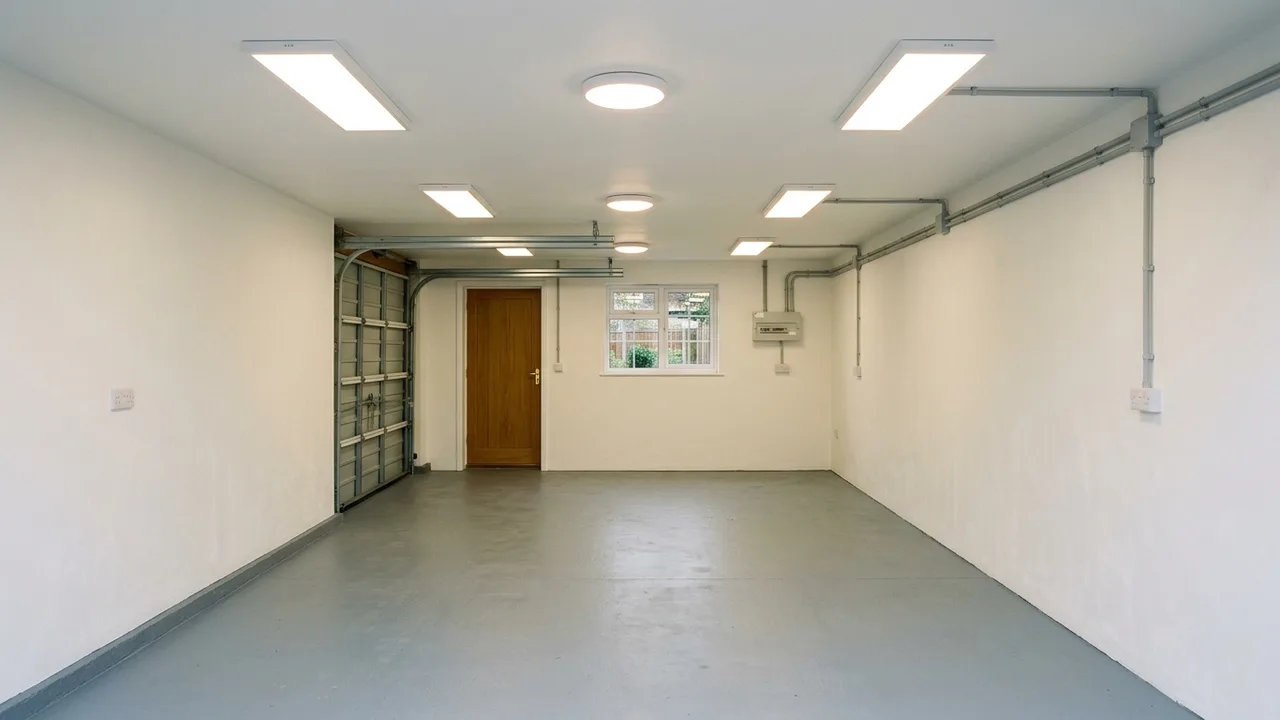
Understanding Faults in Separate Houses and Outbuildings
If your Clontarf property includes a garage or another separate structure, describe which places are affected without deciding that the building arrangement makes the fault more complex. A problem might affect one part of your property but not another, such as the lights going out in your garage while the main house is fine. Documenting these details helps separate a simple repair from a more involved diagnostic job.
Before making an enquiry, it’s useful to note:
- What is affected? List the specific rooms, appliances, or outbuildings (e.g., shed, granny flat, pool pump) that have lost power or are acting strangely.
- What is still working? Note which parts of your property are unaffected. This contrast is a key piece of information.
- When did it start? Was it sudden, or has it been an intermittent problem?
- What was happening at the time? Did the issue occur when you turned on a specific appliance?
This information provides valuable context without requiring you to touch your switchboard or attempt any unsafe diagnosis. For a detailed guide on what to do when you suspect a fault, see our page on electrical fault finding.
Worked Example: Garage Power Loss in a Clontarf Home
Suppose garage outlets have stopped working while lights and appliances inside the house appear unaffected. Report what you have already noticed. Do not try resets or repeat the fault to determine which circuit is involved.
An enquiry could say: the garage outlets stopped working, the house lights appear unaffected, and this is separate from a proposed new outlet near a workbench. You do not need to know the cable route or cause.
The pattern identifies places to discuss, not a proven isolated sub-circuit or repair. Ask what the investigation includes and keep the planned addition separate. The fault-finding guide explains the assessment and repair distinction in detail.
Distinguishing Between Faults, Protection, and Upgrades
Not all electrical enquiries are the same. Understanding the difference helps you ask the right questions from the start.
- Diagnostic Enquiry: This is for when something has stopped working unexpectedly. The goal is to find the cause of the fault and repair it. Your focus is on describing the symptoms as accurately as possible.
- Protective Device Assessment: You might be concerned about your switchboard's safety features. Perhaps you've noticed you don't have safety switches on all circuits, or you're unsure if your current setup is adequate. The enquiry is about assessment and potential upgrades to safety switches or circuit breakers.
- Planned Load Addition: This is for a planned electrical addition. Describe the intended use and ask what assessment and related work the proposal includes. The desired addition does not by itself prove a board upgrade is required. The switchboard guide explains that assessment question.
Keeping these goals separate makes the process more efficient. If you have a fault, address that first. You can always discuss future upgrades as a separate piece of work.
Preparing Your Clontarf Property for an Electrical Enquiry
Where a Clontarf enquiry concerns more than one structure, mention the places involved and any access information you already know. A little preparation can help streamline any potential work.
- Access: Mention known access arrangements for the affected rooms or structures. Do not enter a restricted or unsafe area to prepare an enquiry.
- Know Your Property: If your home has had extensions or includes separate structures, having a rough idea of where things are can be helpful. You are not expected to know where cables run, but knowing the layout of your property is a great start.
- Permissions: If you are a tenant, you must get written permission from your property manager or owner before a discretionary fixture alteration proceeds, such as installing a new power point. You can enquire while approval is being clarified. For properties under a body corporate, some electrical work, especially involving shared walls or infrastructure, may require their approval.
Our Enquiry Planner can help you gather all these details in one place before you call.
Electrical Safety in Your Home
Never attempt to investigate or repair electrical faults yourself. Exposed wiring, faulty appliances, and water ingress can create life-threatening situations. If you see sparks, smell burning, or receive a shock or tingle from an appliance or tap, this is a critical safety issue.
Your first step should always be to ensure your safety and the safety of others. Our electrical fault finding page provides guidance on what to do in an urgent situation.
Keep separate structures clear in a Clontarf description
ABS 2021 recorded 78.5% separate houses in Clontarf. If your own property includes a garage or shed, identify which place has the symptom and what elsewhere appears unaffected. The historical dwelling mix does not show that a particular home has an outbuilding or a more complex fault. A useful description could keep a garage fault, an intended workbench outlet and the known access route as three separate items. This lets an investigation question remain distinct from an addition, rather than treating the whole property as one assumed circuit or repair.
Making an Enquiry for Your Clontarf Property
Whether you have a specific fault, need a safety assessment, or are planning a future upgrade, we're here to help guide your enquiry. By providing clear details about what's happening at your property, you help ensure the right questions are asked from the very beginning.
Ready to discuss your electrical needs? Tell us about the issue at your Clontarf home.
Questions and answers
What if a safety switch will not reset?
ESO says this may mean a circuit fault requiring licensed inspection and repair. Do not force it to stay on or use repeated resets to decide the cause.
Will a fault investigation need access to a garage or separate structure?
Tell the electrician which structure has the symptom and any access restriction already known. Garage outlets failing while house lights work does not prove a separate circuit or establish the cause. Ask what access the investigation includes; do not enter a restricted or unsafe area to gather information.
What is electrical fault finding?
It is investigation of an electrical symptom before choosing its repair. In the garage example, describe the failed outlets and apparently unaffected house lights, while keeping a desired workbench outlet as a separate addition. The pattern is information for assessment, not a diagnosis. The fault-finding guide explains the investigation and repair distinction.